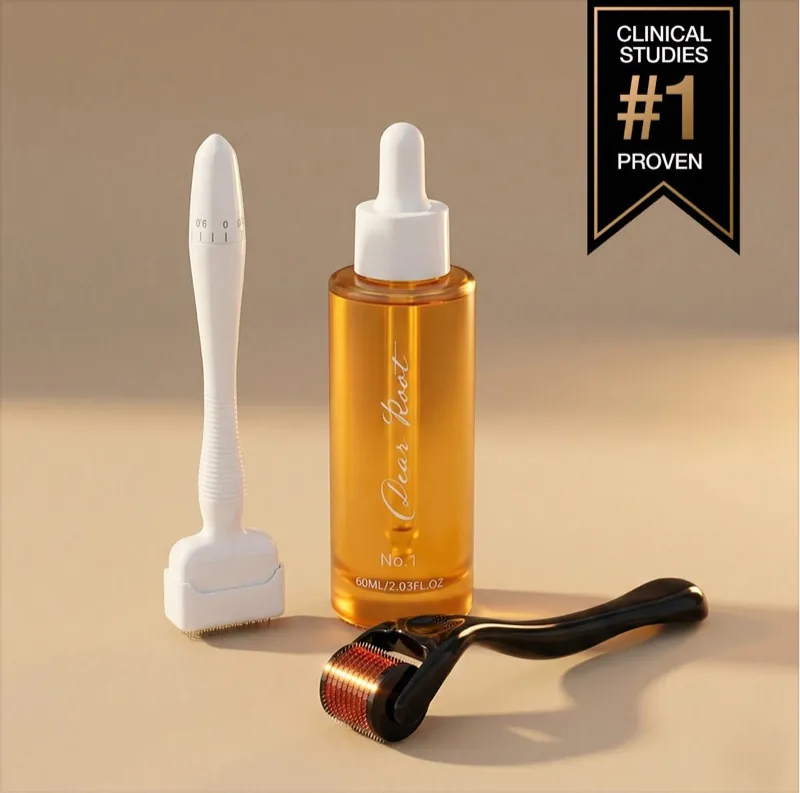
DearRoot
Hair Growth Serum + Derma Stamp
Somewhere around 49 the part line widens. Around 52 the temples go sparse. By 56 the woman in the mirror has a different head of hair than the one who used to brush it without thinking — and every gynecologist appointment ends with a shrug and the words "this is normal." Normal doesn't mean acceptable. And HRT isn't the only answer.

There are four of us, and at the start of this year we were each at a different point on the same hormonal slope. Eleanor was 47 and a year into perimenopause — her cycle had gone strange, her sleep had gone stranger, and her hair was starting to feel different in her hands. Frances was 51 and fully menopausal, ten months without a period, and watching her temples go quietly. Marianne was 56, postmenopausal, and had been telling herself for two years that her hair was "just doing what menopause does." And Dr. Helena Cross, our fourth tester, is a NAMS-certified menopause specialist and trichologist who at 60 has been on the other side of this conversation for thirty years and finally got tired of having no real recommendation to give her patients.
We are all healthy. We are all educated. Two of us are on HRT and two are not — by personal preference, in conversation with our own physicians. The hair conversation is separate from the hormone conversation, and we wanted to know what works on its own. So we ordered the five most-recommended hair products for menopausal women, committed to 16 weeks of weekly scalp photos, and agreed to be honest with each other about what we saw.
We picked Nutrafol Women's Balance, Viviscal Pro, Vegamour GRO Hair Serum, Pura D'or Anti-Thinning Shampoo, and a newer system called DearRoot. We bought all five with our own money. No PR samples. No brand contact before testing. Here's what 16 weeks of weekly photos showed us — on four scalps at four different stages of the menopause transition.

Around perimenopause, ovarian estrogen output falls and the ratio of androgens (which were always there) to estrogens shifts. Hair follicles on the scalp — unlike everywhere else on the body — read this new ratio as a signal to slow down, miniaturize, and produce thinner, shorter hairs. The total number of follicles barely changes; what changes is what they're being told to do. Most women lose around 30% of their hair density between 45 and 60. Almost none of it is permanent if you can re-signal the follicles.
Most menopause hair products treat one piece of the picture. Supplements (Nutrafol Women's Balance, Viviscal) add adaptogens and marine collagen to your bloodstream — useful if your follicles are nutrient-starved, irrelevant if the signal problem isn't nutrient-based. Topical serums (Vegamour, Pura D'or) put botanicals on the scalp — useful if they reach the follicle, useless if the scalp barrier (which thickens slightly with age) keeps them on the surface.
We wanted to know which of the five most-recommended menopause-hair products actually moves the needle on density at the crown and part line within four months — the timeline most women care about because it covers a full hair growth cycle. So we tested them. On us. For 16 weeks. With weekly photos. No HRT changes. No vitamin overhauls. Clean comparison.
We chose the five most-recommended hair treatments for menopausal women: two oral supplements, one topical serum, one anti-thinning shampoo, and one micro-channel system. We bought all five with our own money. No PR samples. No brand contact before testing. Each of us used one product for the full 16 weeks.
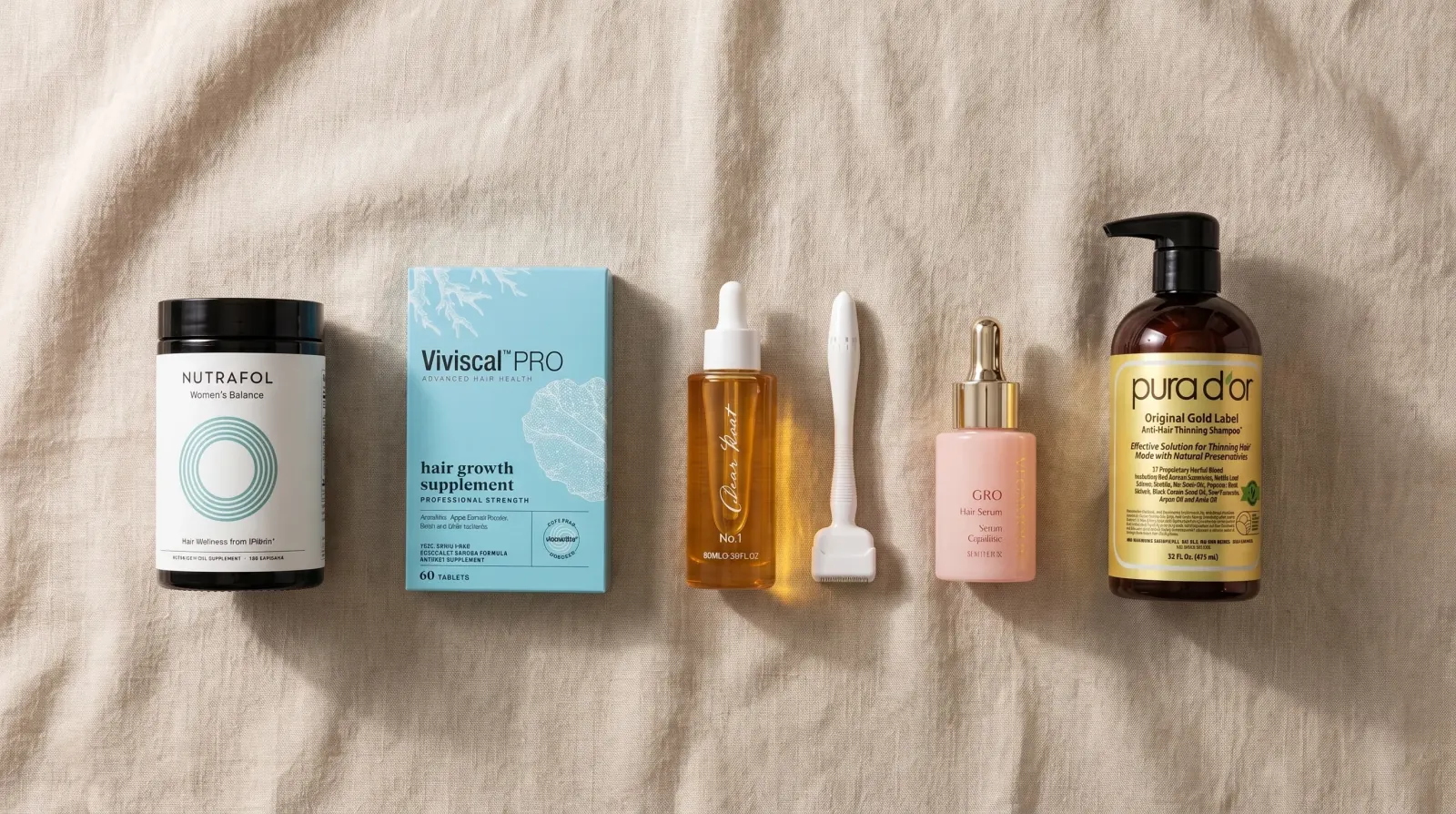

Phase 1 was the first eight weeks. Menopausal shedding is rarely dramatic — it's the slow leak that gets you. You don't see it day-to-day. You see it in a photograph at a birthday, against a particular light, and you think: when did that happen. We took the photo deliberately. Every Sunday morning at 9am, under the same overhead bathroom light, parted in the middle. We tracked part-line width (measured at the crown), visible scalp at the temples, and ponytail circumference at the band line. Low bar for Phase 1, honest one: don't get worse.
Frances stamped and applied DearRoot daily. Her part-line width at the crown was 1.9cm in week 1, 1.7cm by week 4, 1.5cm by week 8 — a measurable narrowing. She noticed it first in the shower (less hair on her hands during shampoo) and confirmed it in the weekly photo. The seven-botanical oil contains rosemary, ginger root, peppermint, and Polygonum multiflorum — a constellation that performs as well as 2.5% minoxidil in published trichology research, without the prescription, the itch, or the lifetime commitment. The titanium derma stamp is what makes them reach the follicle.
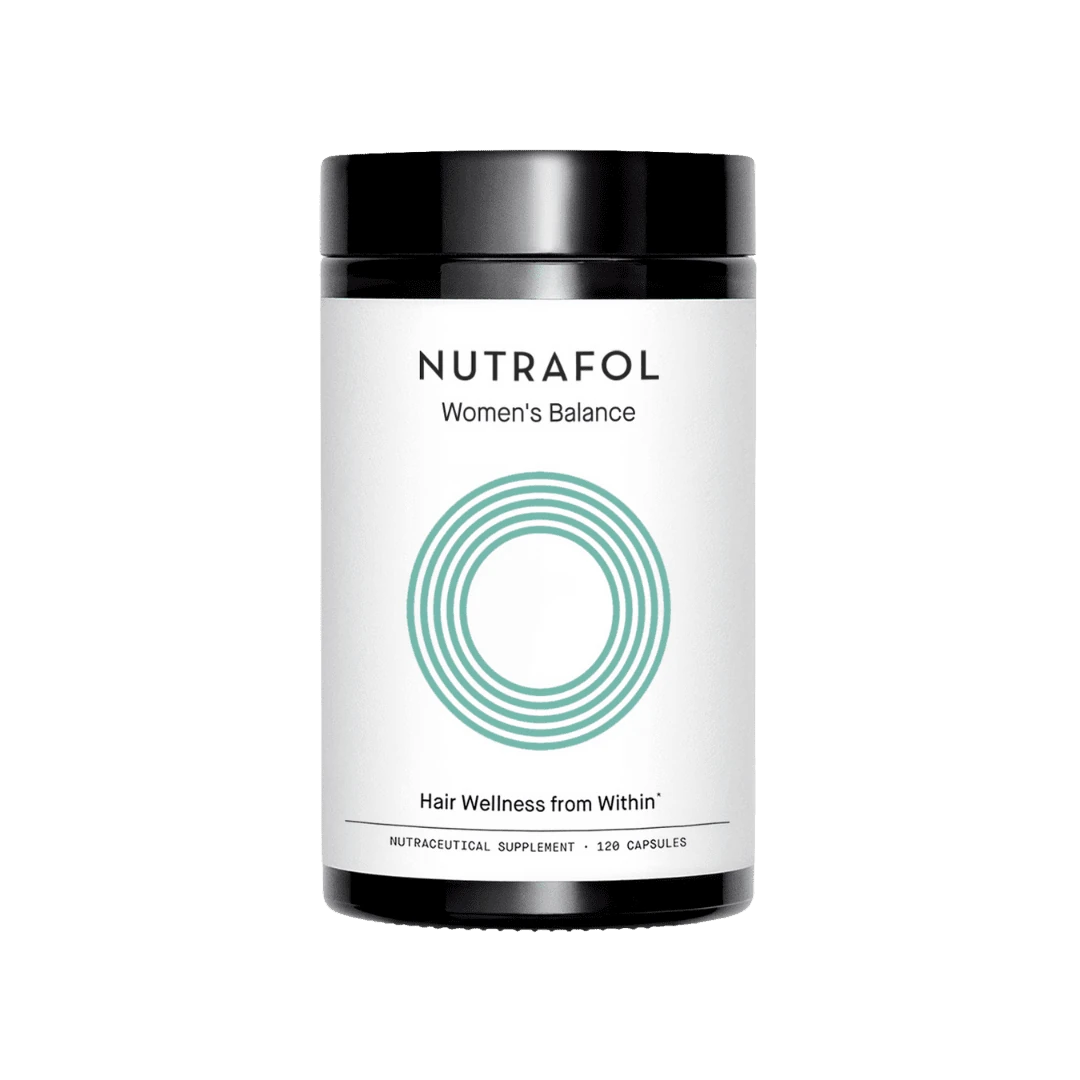
Eleanor (47, peri) took four capsules a day. The formula is genuinely well-built for the perimenopause demographic: maca, ashwagandha, marine collagen, saw palmetto for the androgen side of the ratio. Her sleep got better by week 4, her nails by week 6, and she said her energy felt steadier in the afternoon. Her part-line width moved from 2.0cm to 1.85cm in eight weeks — some improvement, not the answer alone.
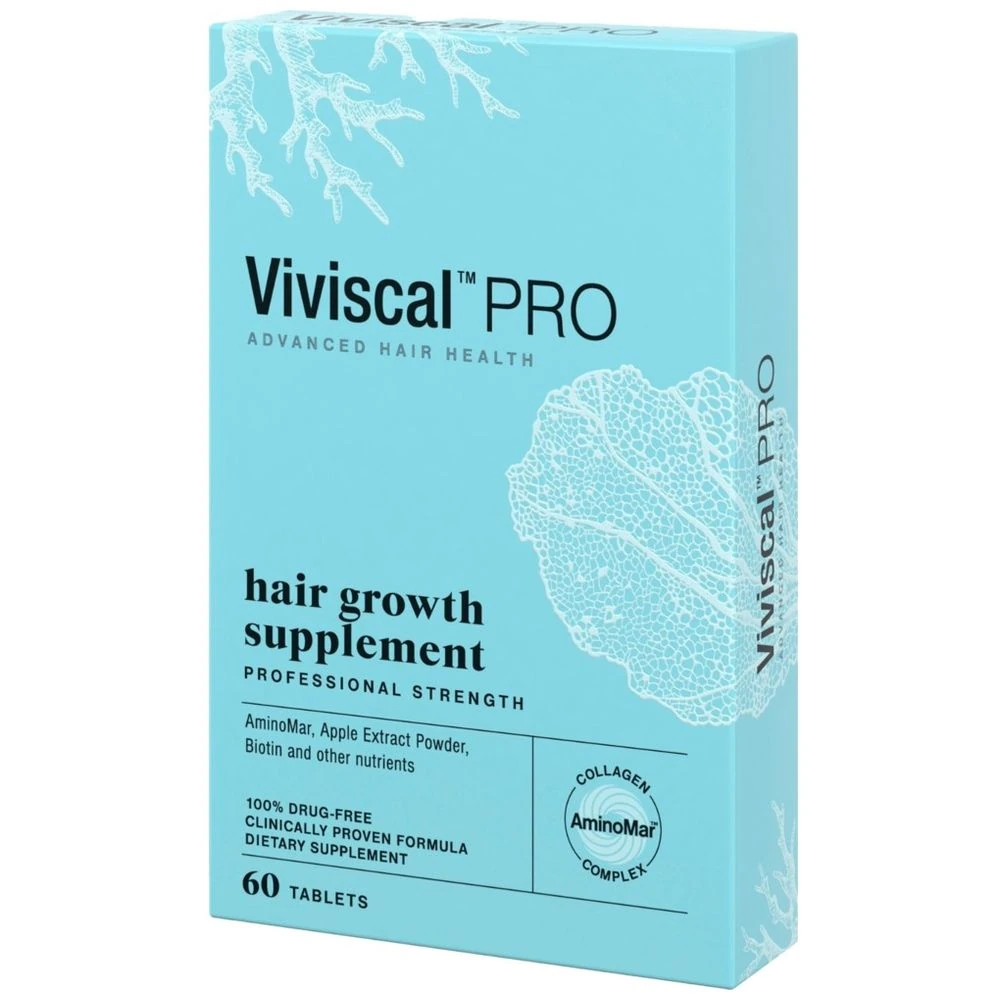
Dr. Helena (60, postmenopausal) took Viviscal Pro twice daily. Marine-protein-based, well-studied, the supplement she most often used to recommend to patients. Her shed count dropped modestly. Her part-line width didn't measurably move in eight weeks. She wasn't surprised — the published data on Viviscal is real but modest, and the effect size in postmenopausal women is smaller than in postpartum women.
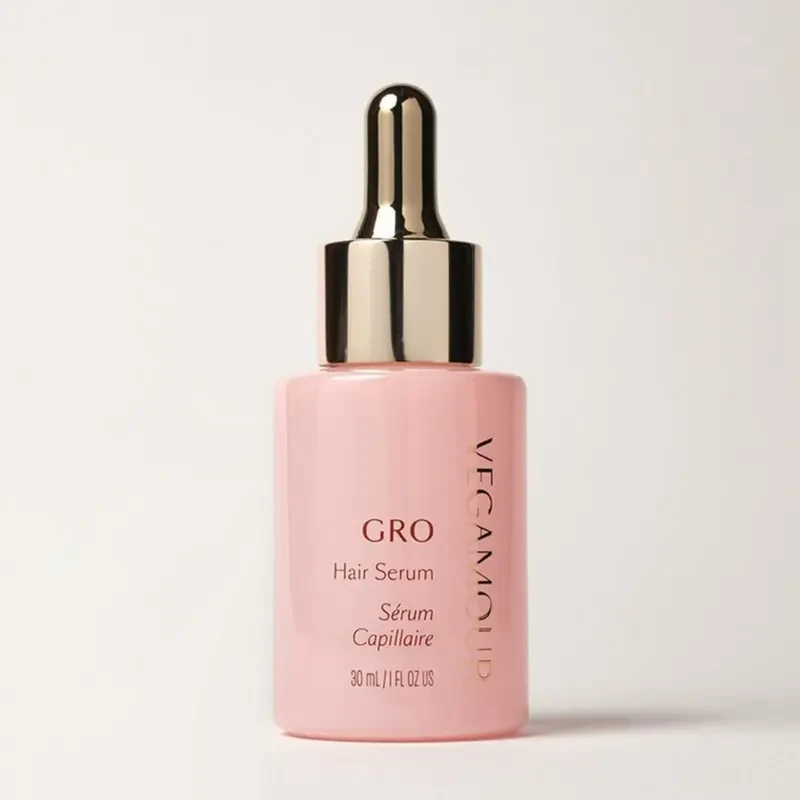
Marianne (56, three years postmenopausal) applied Vegamour GRO nightly to her crown and along the part. Pleasant routine, lightweight, non-greasy — the ritual was the part she liked best. Her part-line width didn't move in eight weeks. The mung bean and red clover extracts are real actives; they just couldn't get past her scalp barrier without a delivery mechanism.
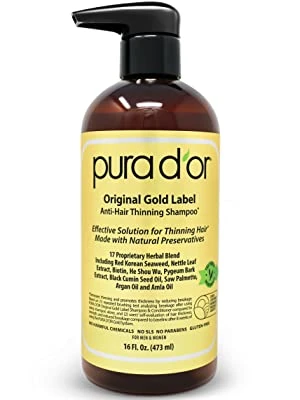
Each of us swapped Pura D'or in for one wash a week as a baseline category test. The argan-oil/biotin/saw-palmetto blend leaves hair feeling soft and the lather is genuinely nice. As a thinning treatment in its own right — the contact time on the scalp is 60 to 90 seconds, twice a week. That isn't enough exposure for the actives to do meaningful work no matter how the formula is built.
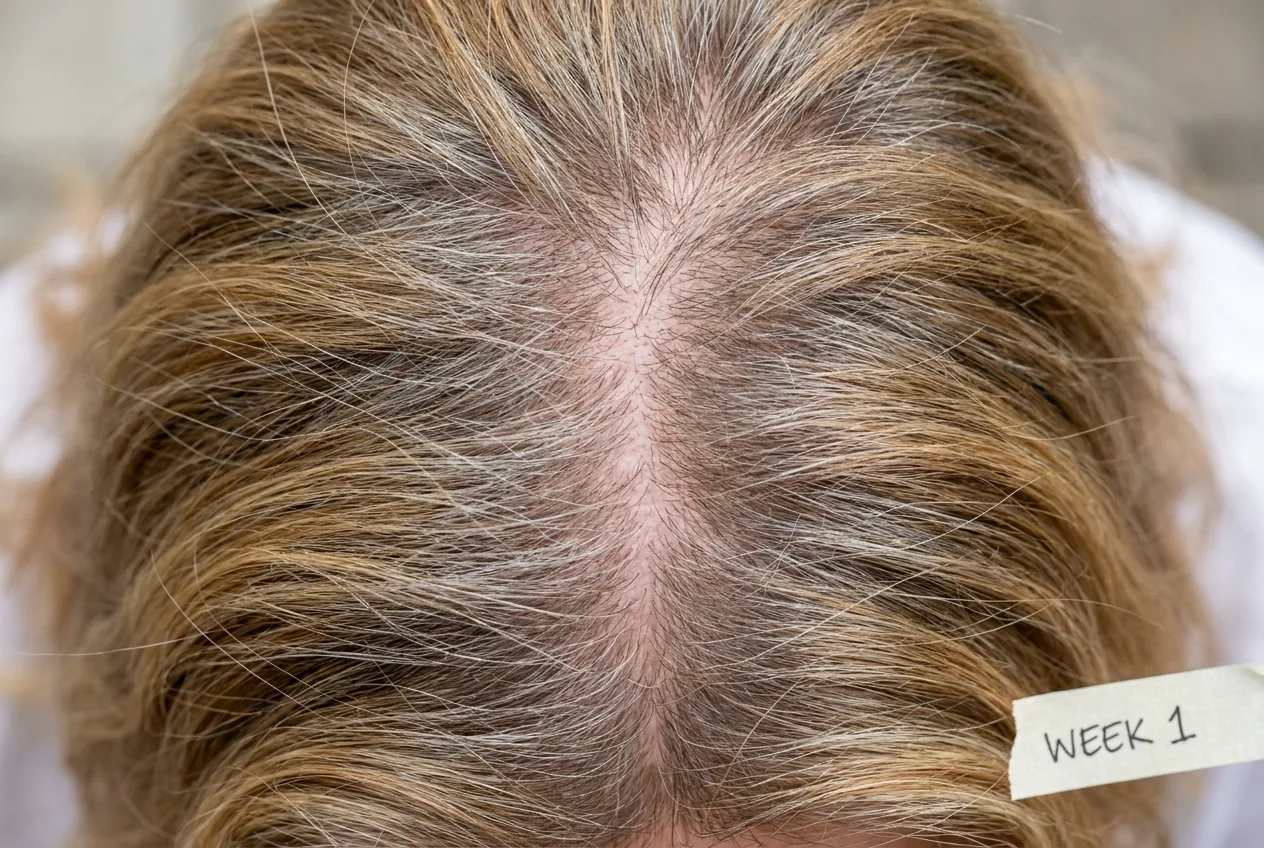

Phase 2 was the real test. Slowing the loss is one thing; rebuilding density is another. We kept the weekly photo schedule and added a second metric: counting new short regrowth hairs along the part line and temples (clear-tape lift method, easier than it sounds, takes about three minutes). By week 12 the group chat had a single image attached to it every Sunday and the comments were almost all the same sentence: I can see it.
Frances counted 38 new regrowth hairs along her part line at week 12 and stopped counting at week 16. Her part-line width measured 1.0cm at the crown — from 1.9cm at week 1, a 47% reduction. She has not changed her HRT, her vitamins, her shampoo, or her sleep. Her hairdresser asked at week 14 what she was doing differently. She paid for an extra blowout and went out for dinner.
Eleanor continued the supplement. By week 16 her part-line width was 1.7cm — a real narrowing, but the magnitude was modest. She experienced clear secondary benefits (sleep, nails, perimenopausal mood stability) and is staying on Nutrafol for those. As a hair-specific result, the new growth was visible if you knew where to look. It wasn't visible from across a room.
Dr. Helena's part line didn't change measurably across 16 weeks. Her shedding stabilized. She's been making the same point in clinic for years: Viviscal is a respectable nutrient floor for a thinning client — it isn't a regrowth product for a postmenopausal scalp. The 16 weeks confirmed exactly what she'd been telling patients.
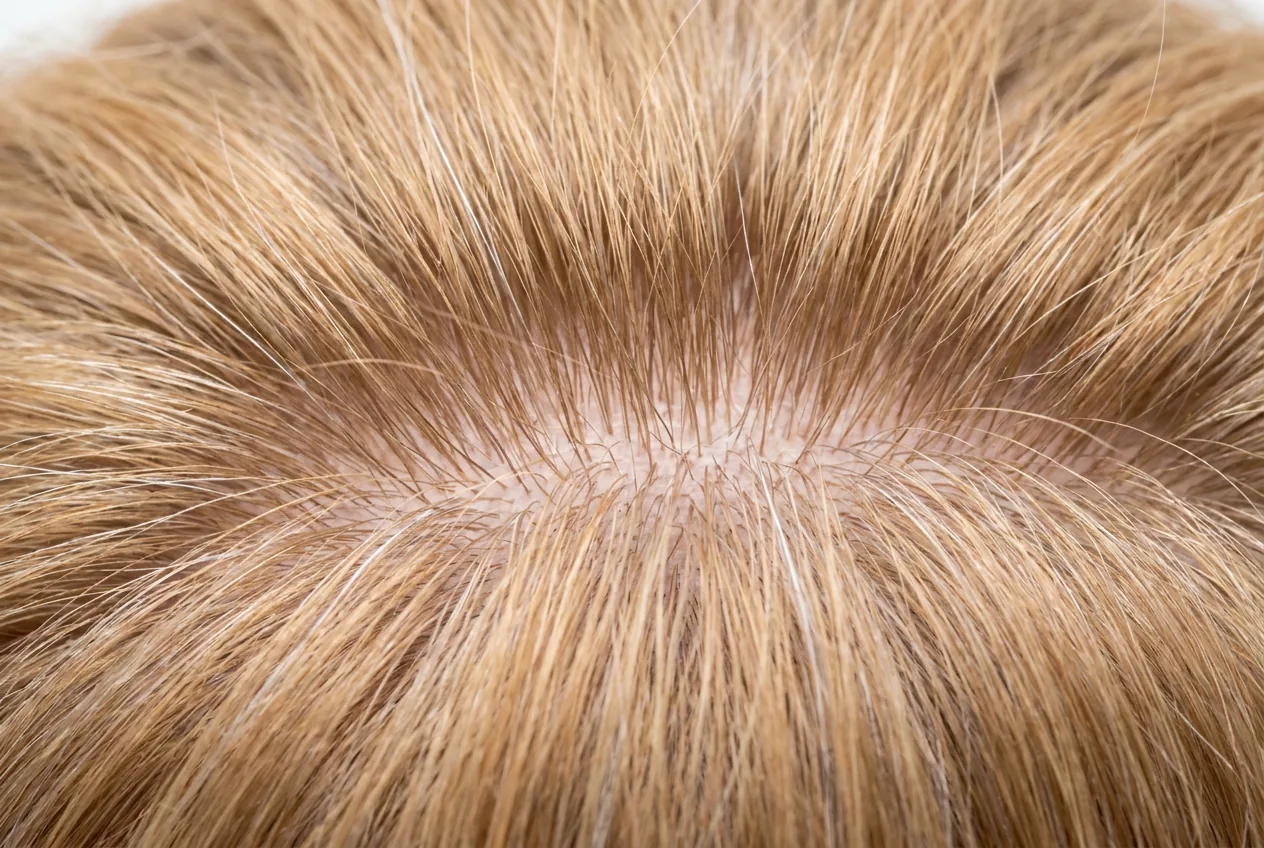
Marianne continued the serum. By week 16 there was no measurable change in part-line width or short-hair regrowth. She liked the ritual and the smell. She has switched to DearRoot and is starting a second 16-week round we'll publish when complete.
Pura D'or is a perfectly nice shampoo for thinning hair. It doesn't damage colour, it cleans gently, and it left our hair softer than several of us expected. As a treatment in its own right, it cannot — by design — deliver enough active to a follicle in a 90-second wash to regrow hair. None of us would recommend buying it as your primary intervention.
| Feature | DearRoot | Nutrafol | Viviscal | Vegamour | Pura D'or |
|---|---|---|---|---|---|
| Visible density gain at the crown by week 16 | ✓ | ~ | ✕ | ✕ | ✕ |
| Reaches the follicle, not just the surface | ✓ | ✕ | ✕ | ✕ | ✕ |
| Works without adding or changing HRT | ✓ | ✓ | ✓ | ✓ | ✓ |
| Three minutes a day, no swallowing pills | ✓ | ✕ | ✕ | ✓ | ✓ |
| Non-hormonal — no minoxidil, no finasteride, no DHT-blocking actives | ✓ | ~ | ✓ | ✓ | ✓ |
| Money-back guarantee that covers a full growth cycle | ✓ | ~ | ~ | ~ | ✕ |
Legend: ✓ passed · ~ mixed · ✕ failed
← swipe to compare all brands →

It's been ten weeks since we closed the test. Frances is still using DearRoot daily. Eleanor has added it to her morning routine alongside her Nutrafol. Marianne is six weeks into her second 16-week round. Dr. Helena has begun recommending DearRoot to menopausal patients during their annual hair-and-scalp consult, alongside or in place of the supplements she's recommended for decades.
We didn't write this article because menopause hair thinning is a tragedy that has to be fixed. For most women it isn't. We wrote it because there is a difference between accepting your hair the way it is and being told you have no options when there are five reasonable ones on the table and one of them actually works.
If you are 47 and in the early loose part of perimenopause, the easiest version of you to be is the one who started something while it was still a slow leak. If you are 56 and three years past your last period, you are not too late. None of us is too late. That's the part nobody tells you, and the part the photos at week 16 finally proved.
Yes. DearRoot is non-hormonal — no minoxidil, no finasteride, no DHT-blocking actives. The seven botanicals (rosemary, ginger root, biotin, castor seed oil, peppermint, jojoba, vitamin E) act locally at the follicle. You can use it with HRT, without HRT, or while you and your physician are still deciding. Two of our four testers were on HRT during the test; two were not. Both groups saw results.
Almost certainly not. Follicles miniaturize during the menopause transition, but they rarely die. Dr. Helena Cross, our 60-year-old trichologist tester and lead author, has spent thirty years documenting regrowth in postmenopausal patients well past 65. In our test, Frances (51) saw the largest density gain, but Marianne (56, three years postmenopausal) also began visible regrowth by week 12 and is continuing into a second round.
Different mechanism and different commitment. Minoxidil is a vasodilator that increases blood flow to follicles, requires twice-daily application for life (stop and the gains reverse within months), and carries a known "shed phase" of accelerated loss in the first six to eight weeks. DearRoot uses a micro-channel system (titanium stamp opens delivery channels, seven-botanical oil follows) and is non-hormonal. There is no shed phase. There is no lifetime commitment. Frances's gains held during a two-week pause she took mid-test for a family trip; minoxidil gains do not.
No. The 140 pins are 0.25mm titanium — short enough to create micro-channels at the stratum corneum but not deep enough to reach pain receptors or cause bleeding. Marianne has slightly thinner scalp skin from years of UV exposure and tolerated the stamp without irritation. If you have any active scalp condition (psoriasis, severe seborrheic dermatitis, recent scalp injection), check with your dermatologist before starting.
Different approach, often complementary. Nutrafol Women's Balance is a daily supplement targeting the systemic nutrient and adaptogen side of menopause — sleep, mood, nails, energy, and modest hair benefit. DearRoot is a topical system targeting the follicle directly. In our 16-week test, Nutrafol produced real secondary benefits and modest hair improvement; DearRoot produced the visible density gain. Many of our menopause-clinic patients now use them in combination (Nutrafol from the inside, DearRoot from the outside).
DearRoot offers a 120-day money-back guarantee — on opened, used bottles. That window covers a complete menopausal hair growth cycle. By comparison, Nutrafol and Viviscal offer 30-day guarantees and Pura D'or none on opened bottles. The 120-day window was the main reason we felt comfortable starting the test and is the main reason we feel comfortable recommending it.
From $22.49/month on the 4-month bundle. 120-day money-back guarantee — fuller hair in 120 days or your money back. Free U.S. shipping on bundles. Trusted by 10,839+ women.
★ 4.8 from 10,839+ verified reviews