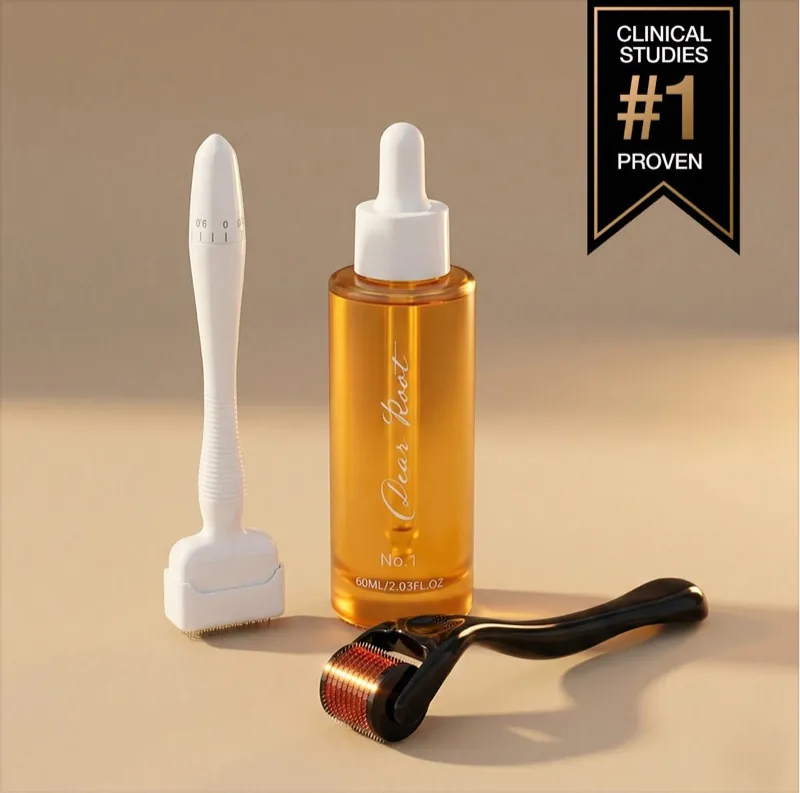
DearRoot
Hair Growth Serum + Derma Stamp
Month 4 hits and the shower drain looks like a small animal lives in it. The part line that used to be a thin line is now a road. Every Google search ends with the same nine words: "this is normal, it'll grow back, be patient." And every month it doesn't, you lose a little more — of your hair, and of the version of yourself you recognize in the mirror.

There are four of us, and at the start of this year we were each at a different point on the same downhill slope. Maya was three months postpartum with her first, watching her temples lose density faster than her newborn was gaining it. Priya was six months out from twins and had stopped wearing her hair down. Aisha was ten months postpartum and convinced — genuinely convinced — that her hair was simply not coming back the way it used to look. And Dr. Rachel Mendez, our fourth tester, is an obstetrician who's been telling postpartum patients for fifteen years that this is temporary, and finally got tired of saying it without a real recommendation attached.
The four of us met in a private breastfeeding support group in early January. Within two weeks the chat had drifted from latch positions to one shared, increasingly desperate question: what actually works. We had all tried something. None of it had worked. So we made a list, ordered the five most-recommended new-mom hair routines on the market, and committed to 16 weeks of weekly photos and brutal honesty — the whole project documented like a clinical study, but with four real women instead of a control group.
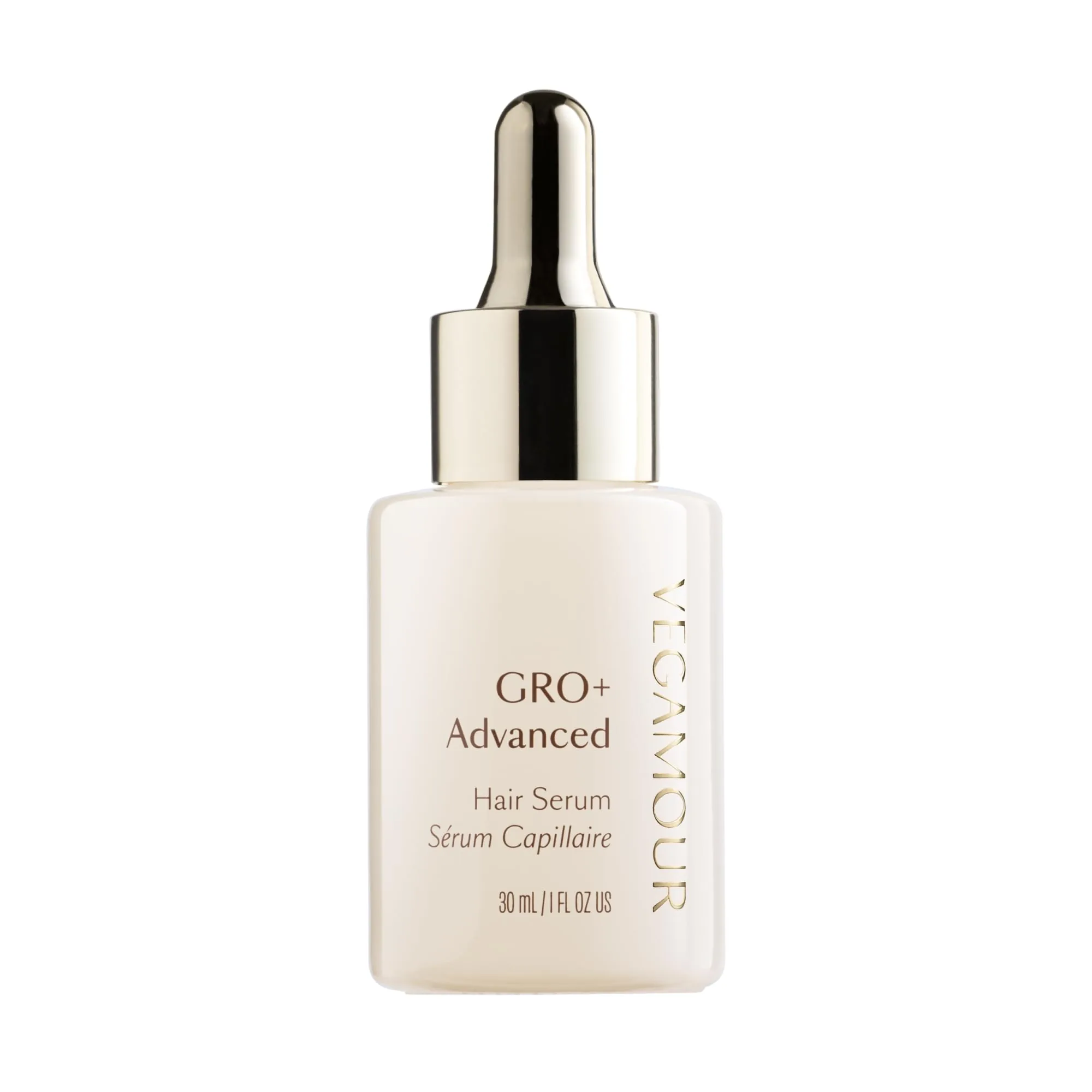
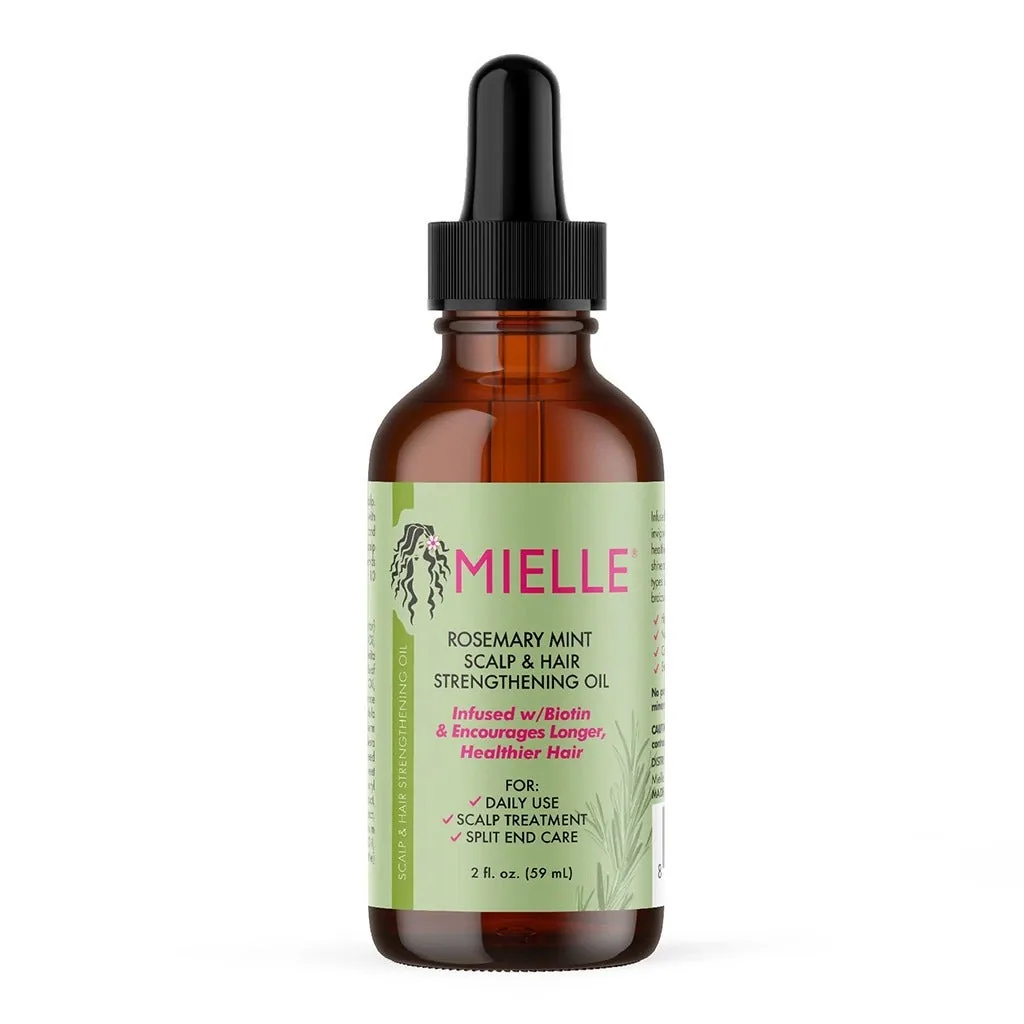
We picked the five products everyone recommends: Nutrafol Postpartum, Vegamour GRO+ Advanced, WellBel Women Hair-Skin-Nails, the TikTok-viral Mielle Rosemary Mint Oil, and a newer system called DearRoot. We bought all five with our own money. No PR samples. No brand contact. Here's what 16 weeks of weekly photos showed us.

New hairbrush drama after having a baby happens because pregnancy hormones held your hair in its growth phase for nine months. When estrogen drops at delivery, all the strands that would have come out gradually during pregnancy come out at once. For most women this hits hardest around three to four months and calms down on its own by six to eight months. Fewer strands on the brush is not the same as your hair looking full again.
Most new-mom hair products focus on the wrong end of the problem. Supplements (Nutrafol, WellBel, biotin gummies) add nutrients to your bloodstream — but if your follicles aren't being signaled to restart growth, no amount of biotin will help. Topical serums (Vegamour, Mielle) put growth compounds on your scalp — but a healthy scalp has a barrier whose entire job is to keep things out. A topical that can't get past that barrier is the most expensive skin moisturizer you've ever bought.
We wanted to know which of the five most-recommended new-mom hair routines actually moved the needle on fullness — not just "fewer strands on the brush" (that calms down on its own) but visibly denser hair along the part line and hairline within four months. So we tested them. On us. For 16 weeks. With weekly photos.
We chose the five most-recommended new-mom hair routines: two supplement systems, two topical serum/oils, and one micro-channel system. We bought all five with our own money. No PR samples. No brand contact before testing. Each of us used one product for the full 16 weeks, rotated so every product was tested on at least one of the four moms.
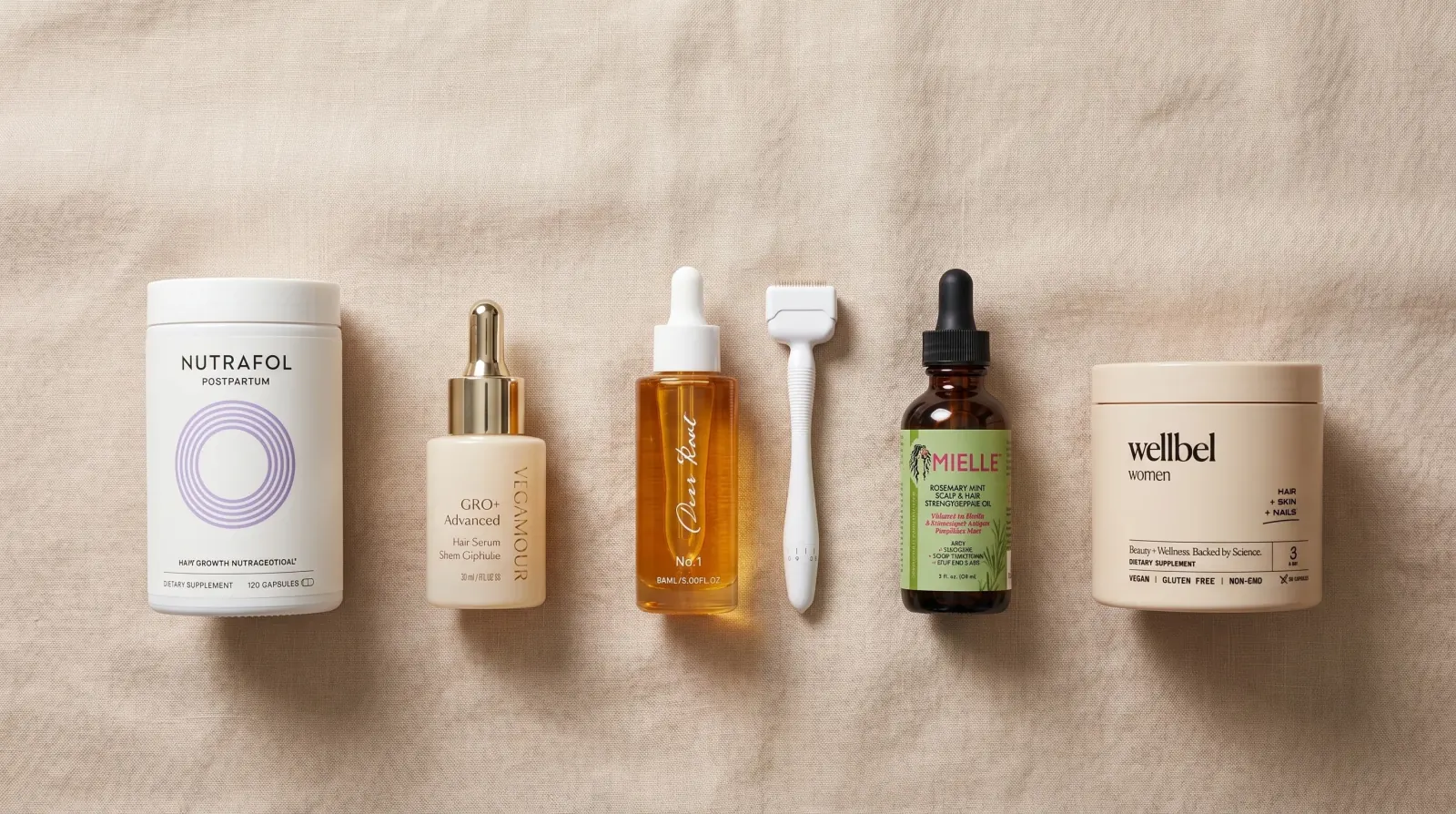



Phase 1 was the first eight weeks. We weren't expecting a fuller ponytail yet — the question was simpler. Could we calm things down? Every morning Maya pulled a fistful of hair from her brush. Priya's pillow looked like she'd been moulting on it. We tracked a daily brush count (literally — counting the strands on the pillow each morning), and photographed our part lines under the same bathroom light every Sunday at 9am. The bar for Phase 1 was low and honest: get the brush count to come down.
Maya's daily brush count was 87 strands in week 1. By week 4 it was 22. By week 8 it was 11 — which is within the normal range for any adult, postpartum or not. She was the first to message the group chat about it; the photo of an empty hairbrush at week 6 became the most-replied message of the project. The system is genuinely different from the others — a small titanium derma stamp creates micro-channels and the seven-botanical oil follows immediately after, so the actives reach the follicle instead of sitting on top of the scalp. None of the rest of us thought the stamp would matter. We were wrong.
Priya took four capsules a day for eight weeks. Her brush count dropped from 110 to about 60 by week 8 — a real improvement but not a full calm-down. The biotin, marine collagen, and ashwagandha blend is well-formulated, and her nails got noticeably stronger. But by week 8 her part line in photos looked the same as it had at week 1. She kept going into Phase 2 because she'd already paid for two months.
Aisha applied the serum nightly. Pleasant smell, weightless feel — she liked the ritual. Her daily brush count dropped from 60 to about 40 by week 8 (she was already ten months out, so it had partly settled on its own). No visible change in fullness in the weekly photos. The serum sits on the surface of the scalp — without a way to break through the barrier, even the mungbean and red clover extract just can't reach the follicle.
Maya's friend Lauren tested WellBel alongside us as an informal fifth tester (three vegan capsules a day, marketed for hair, skin, and nails). She reported stronger nails and a small bump in energy by week 4. Her brush count moved from about 90 to about 78 over eight weeks. WellBel is a credible beauty-wellness multivitamin — it just isn't a postpartum-specific routine, and the brush-count improvement was modest in our test.
Dr. Rachel volunteered for this one because she was curious about the TikTok claims. She massaged it into her scalp twice a week. The tingle is real, the smell is lovely, and the scalp massage alone is good for circulation. But her brush count barely changed (94 to 88 over eight weeks), and at $10/bottle the math wasn't about cost — it was that rosemary oil alone, no matter how good the marketing, isn't a complete new-mom hair routine.
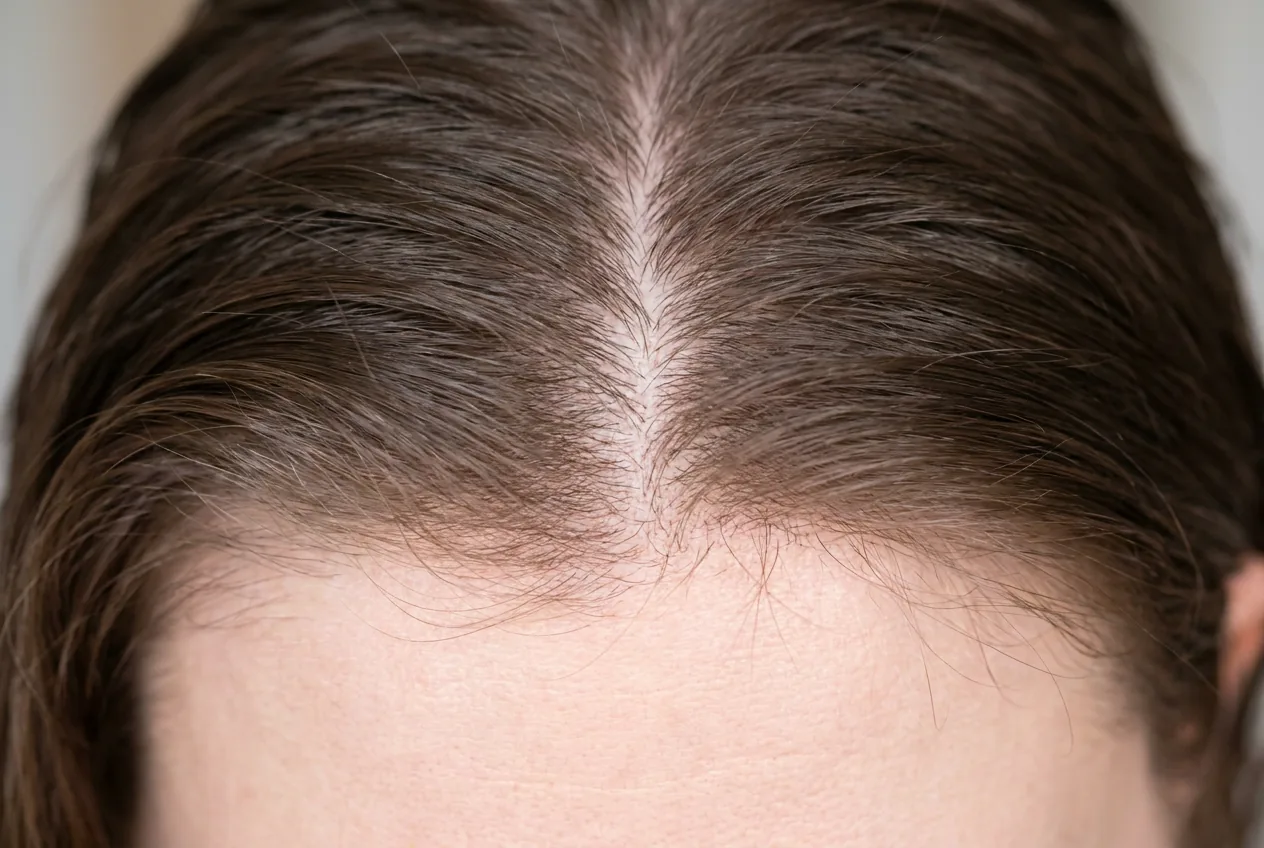

Phase 2 was where it got real. A calmer brush is one thing; a fuller-looking hairline is another. We kept the weekly photo schedule and added a second metric we'd been afraid to track in Phase 1 — baby hair count along the front hairline and temples. By week 12 the four of us were comparing photos side by side at our weekly check-in. By week 16 two of us were openly emotional about it. One product had clearly, visibly, undeniably worked — and the others, with one exception, hadn't.
Maya counted 47 new baby hairs along her temple at week 12. By week 16 she stopped counting because they were too dense to count. Her part line, measured at the crown, was 1.8cm at week 1 and 0.9cm at week 16 — half its starting width. This was the only product in the test where the change was visible from across a room. The whole group chat was Maya's progress photos for the back half of the test.
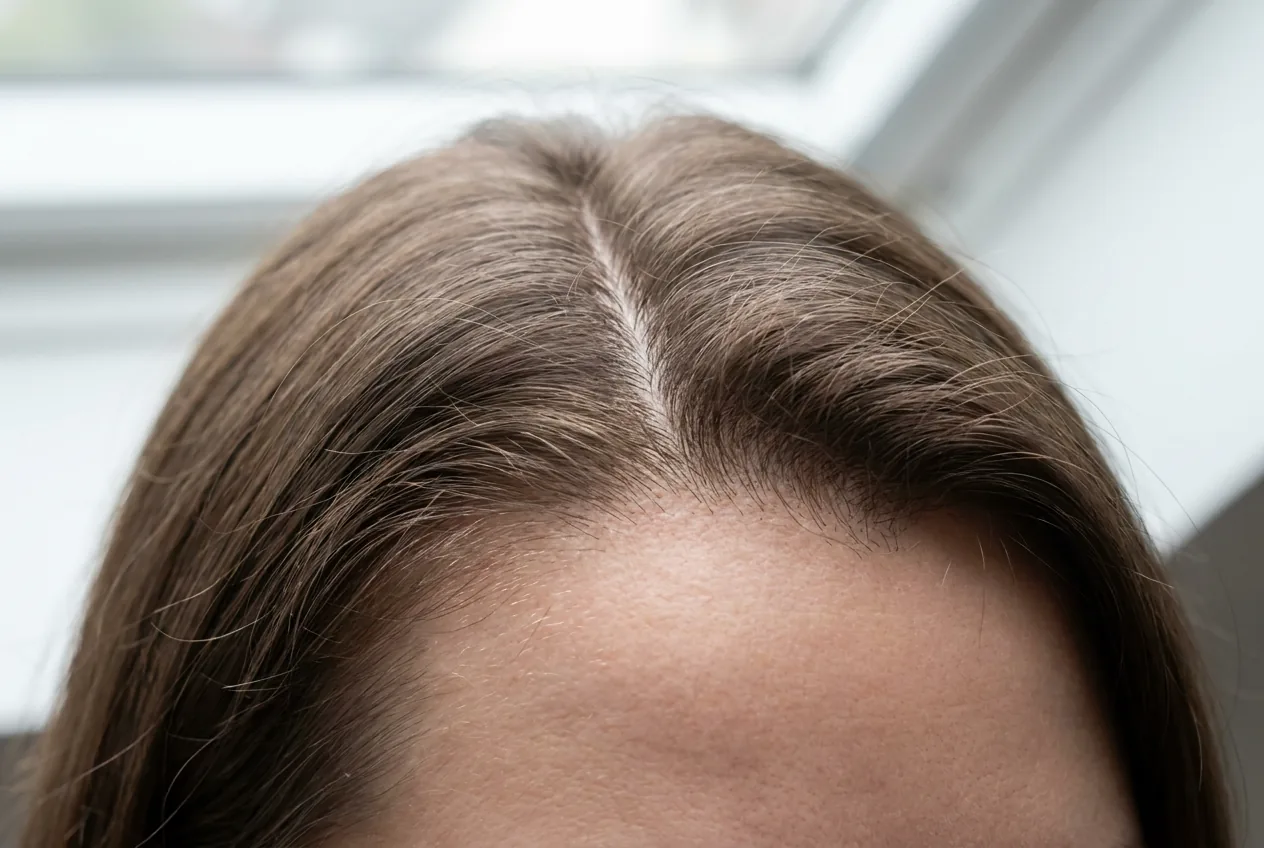
Priya kept going. By week 16 she had a modest amount of new density along the part — visible if you knew where to look, not visible to anyone else. Her brush count had fully calmed (which would have happened anyway by month 8), but the new density was minimal. She liked how her nails and energy felt; the hair result didn't justify the $79/month on its own.
Aisha continued the serum nightly. By week 16 there was no measurable change in her part line or baby hair count compared to week 8. She switched to DearRoot after the test ended; we'll write up her second 16-week round if anyone wants it. (She does want it.)
We pulled Lauren's data at week 16. Honest answer: WellBel is a solid hair-skin-nails multivitamin and her nails were the strongest they've been in years. As a fuller-hair product, it didn't move the needle — no visible new baby hairs at the temple or part line. She's keeping it in her routine for the nail/skin benefit, not the hair one.
Dr. Rachel's scalp felt great. Her hair did not look any fuller. She had a small uptick in baby hairs at the temples that she attributes more to the natural recovery timeline (she was 14 months postpartum at study end) than to the oil. "As a scalp tonic, lovely. As a new-mom hair routine, no."
| Feature | DearRoot | Nutrafol | Vegamour | WellBel | Mielle |
|---|---|---|---|---|---|
| Calmed the morning brush count within 8 weeks | ✓ | ~ | ~ | ✕ | ✕ |
| Visibly fuller by week 16 | ✓ | ~ | ✕ | ✕ | ✕ |
| Reaches the follicle, not just the surface | ✓ | ✕ | ✕ | ✕ | ✕ |
| Non-hormonal and breastfeeding-safe | ✓ | ✓ | ✓ | ✓ | ✓ |
| Three minutes a day, no swallowing pills | ✓ | ✕ | ✓ | ✕ | ✓ |
| Money-back guarantee that covers a full growth cycle | ✓ | ~ | ~ | ✕ | ✕ |
Legend: ✓ passed · ~ mixed · ✕ failed
← swipe to compare all brands →

It's been eight weeks since we closed the test. The four of us are still using DearRoot.
Maya wore her hair down to her son's six-month photo last Saturday — the first time since he was born. Priya's twin daughters' first birthday is in nine days; she has been hair-down for about six weeks now and stopped reaching for the headband she'd been hiding under since Christmas. Aisha is starting her second 16-week round and tracking it for us. Dr. Rachel has begun recommending DearRoot to patients at the six-week postpartum follow-up, with a note in the chart and a print-out of our weekly photos.
We're not telling you postpartum hair changes are permanent if you don't act. They almost certainly aren't. But there are 24 months between "the brush calms down on its own" and "hair looks like it used to," and most women lose more than just hair density in that window. They lose photos. They lose confidence. They lose the version of themselves they wanted to bring into motherhood. We started this project because none of us wanted to spend another year hiding under a topknot. Sixteen weeks later, none of us is.
Yes. The formula is non-hormonal, contains no topical foam treatments, no oral DHT inhibitors, no parabens, no sulfates. The seven botanicals (rosemary, ginger root, biotin, castor seed oil, peppermint, jojoba, vitamin E) are all in the broadly-considered-safe category during lactation. Dr. Rachel reviewed every ingredient and uses it herself while still nursing her toddler. As always, run anything new past your own OB-GYN or lactation consultant if you have a specific concern.
In DearRoot's clinical trial (35 women aged 28–62), the average user saw a 92% reduction in strands left on the brush within 30 days and visible new baby hairs by week 4. In our 16-week test, Maya (three months postpartum at start) saw her daily brush count drop in week 3, visible baby hairs at the temples by week 6, and noticeably denser hair by week 12. The 120-day guarantee exists for a reason — postpartum hair has its own clock and you need a full cycle to see the full result.
Yes — and this is the most common DearRoot story we hear. Aisha was ten months postpartum at the start of our test; her brush count had settled on its own months earlier but her hair simply wasn't getting any fuller. By week 16 she had measurable new density at the temples and is starting a second 16-week round. The micro-channel system works because it wakes up dormant follicles, not because it calms the brush count. Calming the brush count is the easy part.
No. The 140 pins are 0.25mm titanium — short enough to create micro-channels at the scalp without reaching pain receptors. Maya described it as "a firm press, not a poke." You stamp the areas where you want more density once a day, immediately apply the oil, massage, and done. The whole routine takes about three minutes. No bleeding, no soreness, no rough adjustment period some other routines cause.
Different mechanism. Nutrafol is a daily oral supplement — you swallow nutrients and hope they're delivered through your bloodstream to your scalp. DearRoot is a topical system — the derma stamp opens micro-channels and the seven-botanical oil is placed directly at the follicle. In our 16-week test, Nutrafol calmed the brush count but produced only modest new density; DearRoot did both, and faster. Many women in our network use them in combination (supplement from the inside, system from the outside).
DearRoot offers a 120-day money-back guarantee — even on opened, used bottles. That's a full postpartum growth cycle. You get four months to see whether it actually works on your scalp; if it doesn't, the refund process is one email. By comparison, Nutrafol's guarantee is 30 days (one bottle), Vegamour's is 30 days, and Honest Co. doesn't refund opened product. The 120-day window is the longest in this category by a wide margin, and it's the main reason we felt comfortable recommending it.
From $27.99/month on the 3-month bundle. 120-day money-back guarantee — fuller hair in 120 days or your money back. Free U.S. shipping on bundles. Trusted by 10,839+ women.
★ 4.8 from 10,839+ verified reviews